The Role of Inflammation in Fertility
When most people think about fertility, they think about hormones, ovulation, or egg quality. But one of the most overlooked pieces of the fertility puzzle is inflammation.
Inflammation plays a complex role in reproductive health. In fact, a certain amount of inflammation is necessary for ovulation, implantation, and early pregnancy. However, when inflammation becomes chronic or dysregulated, it can negatively impact egg quality, hormone balance, implantation, sperm health, and IVF outcomes.
As a fertility dietitian, I often explain inflammation as being similar to a fire in the body: a small, controlled fire can be helpful and necessary, but a fire that continues burning unchecked can create damage over time.
What Is Inflammation?
Inflammation is the body’s natural immune response. It helps protect us from infections, injuries, and harmful substances. Short-term inflammation is normal and healthy.
However, chronic low-grade inflammation is different. This occurs when the immune system stays activated for long periods of time, often due to factors such as:
- Poor diet
- Chronic stress
- Insulin resistance
- Obesity
- Poor sleep
- Environmental toxins
- Endometriosis or autoimmune conditions
- Sedentary lifestyle
Over time, chronic inflammation can disrupt reproductive function and make it more difficult to conceive naturally or through IVF.
Why Inflammation Matters for Fertility
1. Inflammation Can Affect Egg Quality
The ovaries are highly sensitive to inflammation and oxidative stress. Elevated inflammatory markers can interfere with follicle development and hormone production while increasing oxidative damage to eggs.
Conditions such as:
- Endometriosis
- PCOS
- Obesity
- Advanced reproductive age
are all associated with higher levels of chronic inflammation.
Research suggests that chronic inflammation may contribute to:
- Poor ovarian response
- Reduced egg quality
- Lower embryo quality
- Increased oxidative stress within the ovarian environment
2. Inflammation Can Impact Implantation
Successful implantation actually requires a carefully controlled inflammatory response. During the implantation window, the body produces cytokines and immune signals that help the embryo attach to the uterine lining.
The problem occurs when inflammation becomes excessive or persistent.
Conditions such as chronic endometritis, adenomyosis, and endometriosis may create an inflammatory uterine environment that impairs:
- Endometrial receptivity
- Blood flow
- Decidualization
- Hormonal signaling
This may contribute to implantation failure or early pregnancy loss.
3. Inflammation and PCOS
PCOS is strongly linked with chronic low-grade inflammation and insulin resistance.
Inflammation in PCOS can:
- Worsen insulin resistance
- Increase androgen production
- Disrupt ovulation
- Negatively affect egg quality
This is one reason why nutrition and lifestyle interventions can have such a profound impact on fertility outcomes in women with PCOS.
4. Inflammation and Male Fertility
Inflammation does not only affect female fertility. Research estimates inflammation contributes to approximately 30–35% of male infertility cases.
Inflammation and oxidative stress may:
- Reduce sperm motility
- Increase DNA fragmentation
- Damage sperm membranes
- Lower sperm count and viability
This is why fertility nutrition should ideally support both partners whenever possible.
Signs Your Body May Be Experiencing Chronic Inflammation
Inflammation is not always obvious, but some common signs may include:
- Fatigue
- Brain fog
- Digestive issues
- Joint pain
- Irregular cycles
- Acne
- Blood sugar instability
- Difficulty losing weight
- Elevated inflammatory markers such as hsCRP
Not everyone with fertility struggles has noticeable symptoms, which is why looking at the bigger picture is important.
Nutrition Strategies to Support Healthy Inflammation Levels
One of the most powerful ways to support fertility is by reducing chronic inflammation through nutrition and lifestyle.
Focus on an Anti-Inflammatory Eating Pattern
Research consistently shows the Mediterranean-style diet is associated with improved fertility outcomes and lower inflammation.
This includes:
- Colorful fruits and vegetables
- Olive oil
- Nuts and seeds
- Beans and legumes
- High-fiber carbohydrates
- Omega-3 rich fish
- Quality protein sources
Increase Omega-3 Fats
Omega-3 fatty acids help reduce inflammatory signaling in the body and may support fertility and IVF outcomes.
Good sources include:
- Salmon
- Sardines
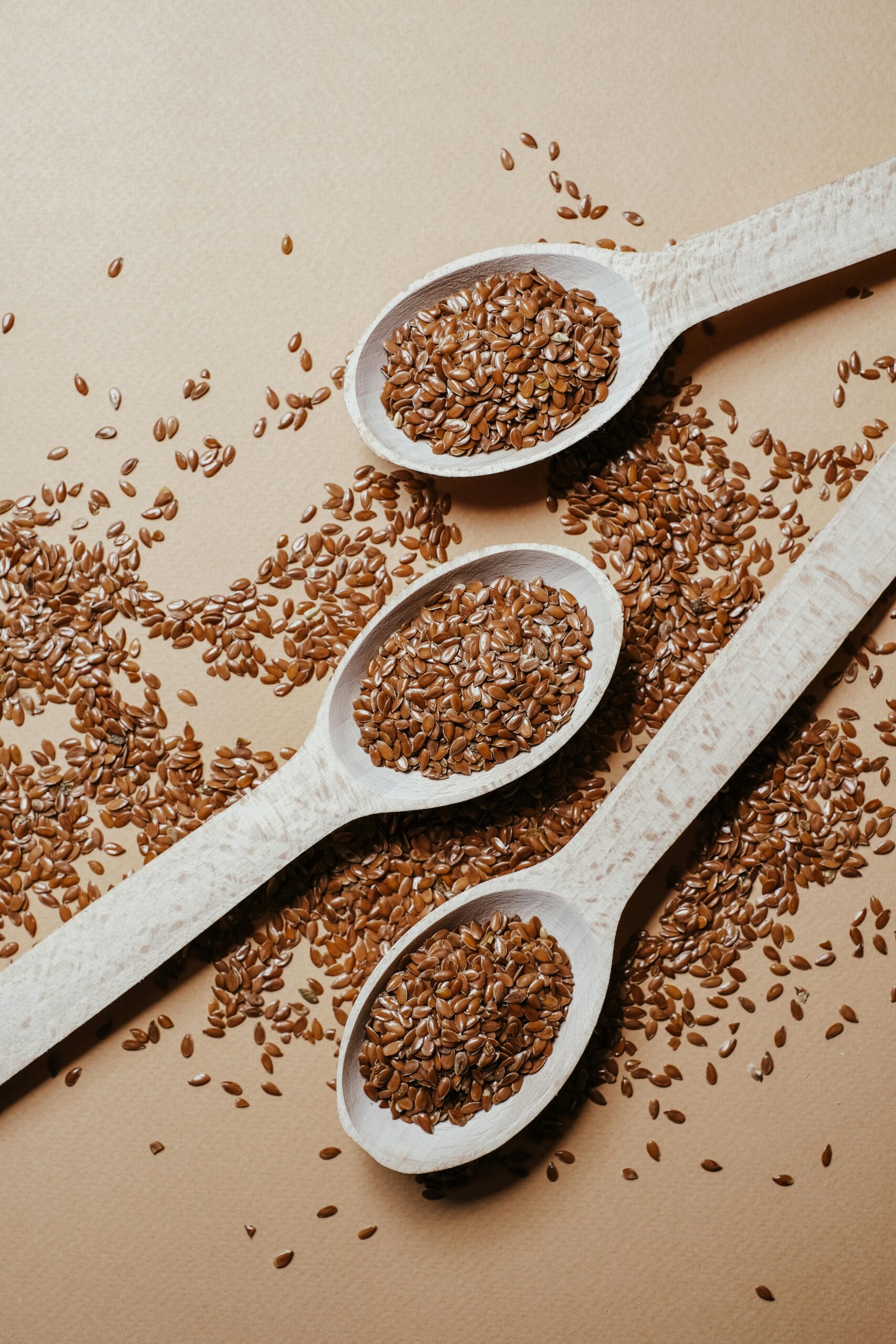
- Chia seeds
- Flax seeds
- Walnuts
Stabilize Blood Sugar
Blood sugar dysregulation can drive inflammation and worsen hormonal imbalance, especially in PCOS.
Helpful strategies include:
- Prioritizing protein at meals
- Eating fiber-rich carbohydrates
- Limiting added sugars
- Pairing carbohydrates with healthy fats and protein
Support Gut Health
The gut and immune system are closely connected. A healthy gut microbiome may help regulate inflammation and hormone metabolism.
Focus on:
- Fiber-rich foods
- Fermented foods
- Adequate hydration
- Diverse plant foods
Consider Targeted Supplements
Depending on individual needs, supplements that may support inflammation and fertility include:
- Omega-3 fatty acids
- CoQ10
- Vitamin D
- NAC
- Prenatal vitamins
- Myo-inositol (especially in PCOS)
Supplement needs are highly individualized and should ideally be guided by labs, medical history, and fertility goals.
Lifestyle Factors Matter Too
Nutrition is foundational, but lifestyle factors also play a major role in inflammation levels.
Prioritize Sleep
Poor sleep is associated with elevated inflammatory markers and oxidative stress.
Manage Stress
Chronic stress can increase inflammatory signaling and impact reproductive hormones. Mind-body practices such as yoga, mindfulness, and therapy may help support nervous system regulation.
Move Your Body
Moderate exercise can improve insulin sensitivity and reduce inflammation. Research shows regular physical activity is associated with lower infertility risk.
Final Thoughts
Inflammation is not inherently “bad.” In fact, it is essential for reproduction. The goal is not to eliminate inflammation completely, but to support a balanced and well-regulated immune environment that allows the body to function optimally.
For many individuals navigating infertility or IVF, addressing chronic inflammation through nutrition and lifestyle can be a powerful way to support:
- Egg quality
- Hormone balance
- Implantation
- Sperm health
- Overall reproductive wellness
Small, consistent changes can make a meaningful difference over time.
If you are preparing for IVF or trying to optimize your fertility through nutrition, working with a fertility-focused registered dietitian can help you create a personalized, evidence-based plan tailored to your body and goals.
References
- Ameho S, Klutstein M. The Effect of Chronic Inflammation on Female Fertility. Reproduction. 2025.
- Orisaka M, Mizutani T, Miyazaki Y, et al. Chronic Low-Grade Inflammation and Ovarian Dysfunction in Women With Polycystic Ovarian Syndrome, Endometriosis, and Aging. Frontiers in Endocrinology. 2023.
- Taylor HS, Kotlyar AM, Flores VA. Endometriosis Is a Chronic Systemic Disease: Clinical Challenges and Novel Innovations. Lancet. 2021.
- Alesi S, Habibi N, Silva TR, et al. Assessing the Influence of Preconception Diet on Female Fertility: A Systematic Scoping Review of Observational Studies. Human Reproduction Update. 2023.
- Penzias A, Azziz R, Bendikson K, et al. Optimizing Natural Fertility: A Committee Opinion. Fertility and Sterility. 2022.
- Yang J, Song Y, Gaskins AJ, et al. Mediterranean Diet and Female Reproductive Health over Lifespan: A Systematic Review and Meta-Analysis. American Journal of Obstetrics and Gynecology. 2023.
- Xie F, You Y, Guan C, et al. Association Between Physical Activity and Infertility: A Comprehensive Systematic Review and Meta-Analysis. Journal of Translational Medicine. 2022.
- Hart RJ. Nutritional Supplements and IVF: An Evidence-Based Approach. Reproductive Biomedicine Online. 2024.
- Fomichova O, Oliveira PF, Bernardino RL. Exploring the Interplay Between Inflammation and Male Fertility. The FEBS Journal. 2025.
- Mor G. Introduction to the Immunology of Pregnancy. Immunological Reviews. 2022.