When I first started trying to conceive, I had my perfect plan all
mapped out: finish my dietetic internship, start my career, and already
be pregnant by the time I settled into work. But despite my best effoWhen couples prepare for in vitro fertilization (IVF), the focus often centers on ovarian stimulation, egg quality, and uterine receptivity. Nutrition conversations frequently revolve around the female partner—what to eat, what supplements to take, and how to optimize the body for pregnancy.
But here’s what many people are surprised to learn: male partner nutrition plays a powerful and measurable role in IVF success. A growing body of research shows that sperm health is highly responsive to diet and lifestyle, particularly in the months leading up to IVF.rts,
my body had other plans.
Healthier dietary patterns are consistently associated with better sperm concentration, motility, morphology, and total sperm count.
In this article, we’ll explore the science behind male fertility nutrition, explain how dietary patterns affect sperm quality, and outline practical, evidence-based strategies that can meaningfully improve IVF outcomes.
Why Sperm Health Matters in IVF
Even with advanced assisted reproductive technologies, sperm quality remains a critical determinant of success. Multiple studies show that higher sperm concentration, motility, and normal morphology are associated with higher pregnancy rates—including in IVF and ICSI cycles.
Healthy sperm contribute to:
Healthy Dietary Patterns Improve Sperm Parameters
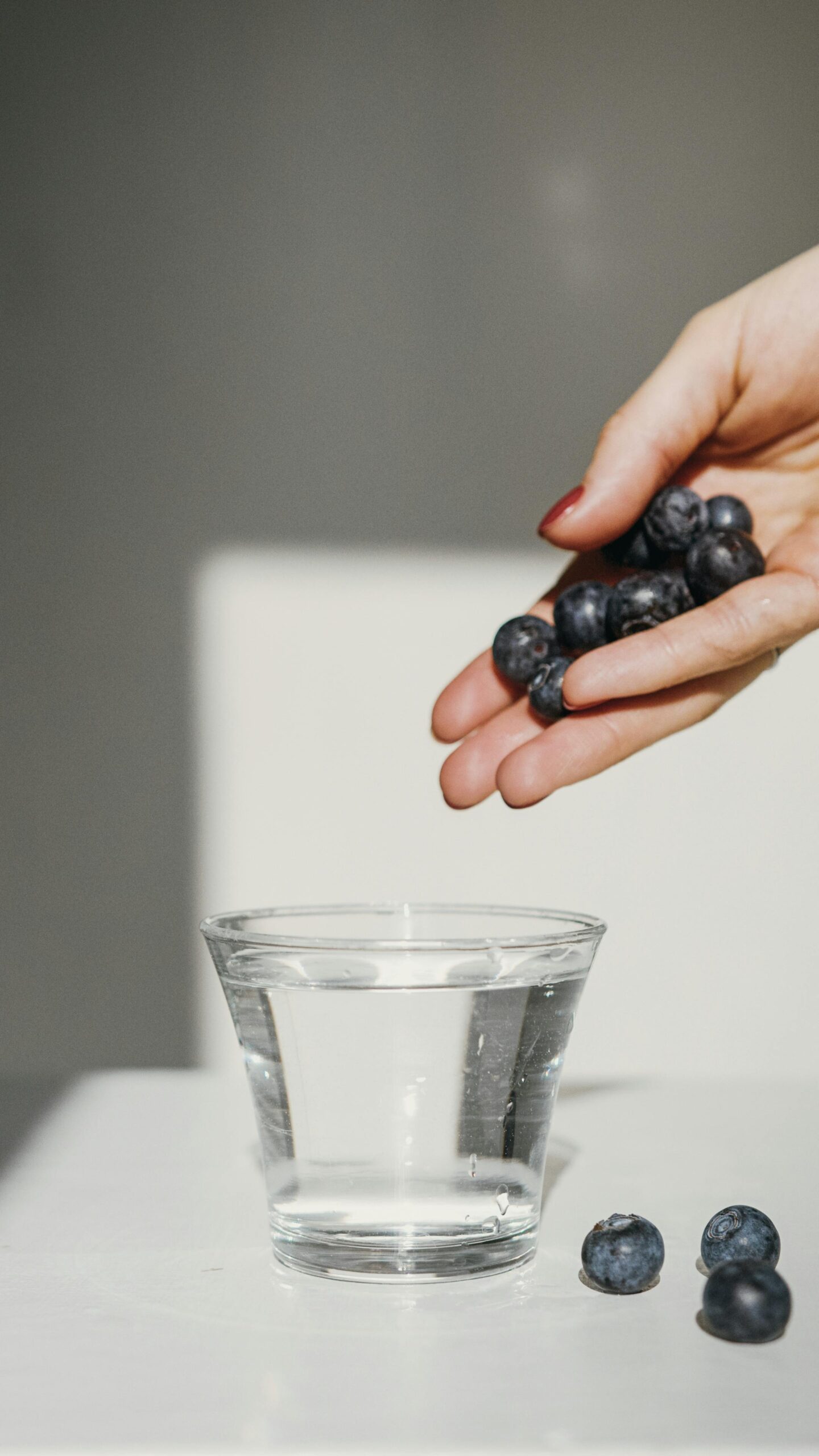
Large observational and cohort studies consistently demonstrate that overall dietary patterns—not just individual nutrients—strongly influence sperm quality. Men who follow diets rich in fruits and vegetables, whole grains, nuts and seeds, low-fat dairy, and seafood, and who limit red meats, refined carbohydrates, and sugar-sweetened beverages, show significantly better sperm quality compared to men following Western dietary patterns.
The Mediterranean Diet: A Standout for Male Fertility
Among all dietary patterns studied, the Mediterranean diet has the strongest and most consistent associations with improved sperm quality. This dietary pattern emphasizes olive oil as the primary fat source, abundant fruits and vegetables, whole grains and legumes, nuts, and regular seafood intake.
One compelling study found that men with the highest Mediterranean diet adherence had roughly
2.5× lower likelihood
of abnormal sperm parameters compared to those with the lowest adherence.
Key Nutrients That Support Sperm Quality
While overall dietary patterns are most predictive of fertility outcomes, certain nutrients have been shown to play targeted roles in sperm development and function.
ω-3
Omega-3 Fatty Acids
DHA and EPA from fish and seafood support sperm membrane fluidity, mitochondrial energy production, and protection from oxidative damage.
Aox
Antioxidants
Vitamin C, E, selenium, zinc, and lycopene protect sperm DNA and improve motility—especially important in IVF for embryo development.
L-C
L-Carnitine
Plays a critical role in sperm energy metabolism and maturation. Supplementation has shown improvements in concentration, motility, and pregnancy rates.
Fol
Folate & Vitamin D
Folate supports DNA synthesis essential for sperm development. Vitamin D receptors in sperm are associated with better motility and overall semen quality.
Dietary Factors That Harm Sperm Quality
Just as certain foods support fertility, others actively undermine it. Diets high in saturated and trans fats, processed meats, sugar-sweetened beverages, and ultra-processed foods are consistently associated with poorer sperm concentration, motility, and morphology. These dietary patterns promote inflammation, insulin resistance, and oxidative stress—conditions that impair testicular function and sperm production.
While dairy can be part of a healthy fertility diet, high intakes of full-fat dairy and processed meats have been linked to poorer sperm parameters in several studies. This doesn’t mean elimination is always necessary—but personalization matters.
Lifestyle Factors That Influence Sperm Health
Nutrition does not exist in isolation. Lifestyle behaviors significantly influence how the body responds to dietary intake.
Timing Matters: Why Early Changes Count
Spermatogenesis takes approximately
74 days
followed by additional maturation time.
This means that dietary and lifestyle changes made 2–3 months before IVF can meaningfully influence sperm quality at retrieval. When both partners optimize nutrition together, we often see measurable improvements before IVF even begins.
A Couple-Centered Approach to IVF Nutrition
Fertility is not a solo endeavour. When both partners are supported through evidence-based nutrition, couples often feel more empowered, more informed, and better prepared for IVF.
At the IVF Nutrition Center, we take an individualized, science-driven approach that considers semen parameters, dietary patterns and nutrient gaps, lifestyle stressors, supplement needs, and IVF timelines and protocols. Our goal is not perfection—it’s realistic, targeted support that complements medical treatment.
THE TAKEAWAY
Optimizing male fertility nutrition is one of the most impactful—and often overlooked—steps couples can take when preparing for IVF.